Premier Deck Builders Austin: Custom Deck Building Services for Patios
Deck Design Trends for 2026: Design a Stunning and Functional Outdoor Haven
Deck design trends for 2026 highlight a movement toward building elegant and practical outdoor areas. Sustainable materials, innovative layouts, and smart technology are at the forefront. Property owners aim to elevate their outdoor living while emphasizing environmental responsibility. Adaptable furnishings and purposeful zones are emerging as key priorities. As these features combine, a closer look shows how any deck can be turned into a personalized haven. What key features should one prioritize for maximum enjoyment?
Best Sustainable Materials for Green Deck Design
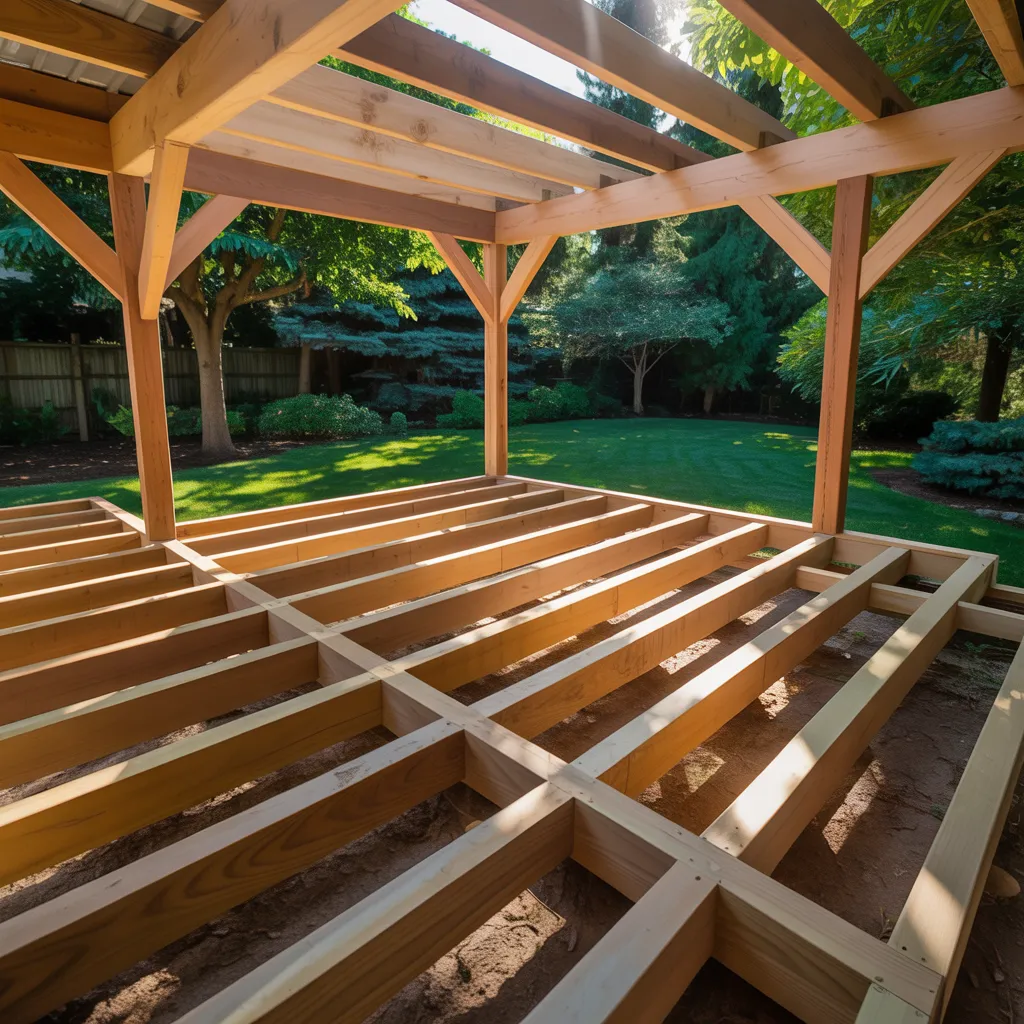
With homeowners placing greater emphasis on sustainability, choosing the right materials for green deck design has attracted considerable interest. Recycled wood, often sourced from old buildings or shipping pallets, serves as a popular option, delivering both decorative appeal and meaningful environmental value. This material not only reduces waste but also provides durability when treated properly.
Composite wood decking, made from a blend of wood fibers and recycled plastics, is another preferred material. It is low-maintenance and rot-resistant, making it perfect for exterior applications. Bamboo wood, known for its fast growth and sustainable nature, has emerged as a strong contender, providing a stylish alternative that is also environmentally friendly.
Additionally, ethically harvested hardwoods, such as mahogany and teak, are favored for their longevity and natural beauty. These options showcase a emphasis on sustainable living practices, giving homeowners the ability to build charming outdoor retreats while preserving the planet's well-being.
Modern Arrangements for Outdoor Living Spaces
Creative arrangements are revolutionizing outdoor living spaces, enabling homeowners to optimize usability while boosting overall aesthetics. These days, architects are concentrating on multi-area configurations that create separate zones for eating, unwinding, and culinary activities. By including design elements such as permanent seating fixtures and fire features, these areas encourage gatherings while preserving a spacious atmosphere.
Moreover, the application of diverse materials and textures generates visual appeal and directs traffic through the environment. Curved walkways and tiered designs are growing in demand, as they enhance the depth and dimension of outdoor spaces. Furthermore, integrating natural elements like water features or vertical gardens can smoothly unite inside and outside areas.
Finally, including flexible furniture pieces allows for flexibility, supporting gatherings of any size. Overall, such creative designs go beyond mere functionality but also improve the overall experience of outdoor living, transforming outdoor spaces into sophisticated escapes.
Color Trends to Enhance Your Deck Design
Color plays a pivotal role in designing a deck, influencing mood and improving the general appearance. In 2026, popular color trends include earthy tones, such as warm terracotta and rich olive green, which create an atmosphere of serenity and a bond with the outdoors. Such colors complement outdoor settings, creating a serene retreat.
Additionally, bold colors like rich burgundy and deep navy are turning heads, bringing a refined touch to deck spaces. Soft pastels, including light blues and blush pinks, also gain traction, offering a light, breezy aesthetic that uplifts exterior settings.
Muted hues, including taupe and warm gray, continue to be timeless, serving as a versatile canvas for diverse decorating styles. Homeowners are encouraged to experiment with color combinations, creating layered visual interest. In the end, a well-chosen color palette not only improves the deck's aesthetic but also expresses individual style, making outdoor spaces more inviting and enjoyable.
Choosing Multi-Functional Furnishings for Your Outdoor Space
Optimizing space on a deck calls for careful selection of versatile furniture pieces that effortlessly combines aesthetics and function. Choosing pieces that serve multiple purposes can enhance both comfort and functionality. For example, storage benches offer seating alongside convenient space for storing cushions or gardening tools. Collapsible tables provide the flexibility to reconfigure the space for dining or social events, making it simple to adjust the setup for various events.
Furthermore, ottomans that serve as side tables can increase flexibility, delivering additional seating when needed. Modular seating arrangements empower users to tailor their layouts based on the situation, encouraging a versatile outdoor environment. Adding these flexible elements not only optimizes space but also improves the overall appearance of the deck. By carefully selecting multi-functional furniture, homeowners can create an inviting outdoor retreat that accommodates various activities and improves their lifestyle.
Creative Lighting Solutions to Illuminate Your Deck
In what ways can homeowners convert their decks into captivating after-dark spaces? Creative lighting solutions play a pivotal role in setting the mood and enhancing the functionality of outdoor retreats. Overhead string lights, hung with care, cast a warm and welcoming radiance that suits both social events and peaceful nights. Additionally, solar-powered lanterns and path lights offer eco-friendly options that illuminate walkways without the need for wiring.
Including LED strips underneath railings or across steps can produce a contemporary look while providing safety. For a more dramatic effect, pendant lights or wall sconces can be mounted to enhance design elements. Torches or fire pits not only offer light but also heat, encouraging outside gatherings even on chilly evenings. By thoughtfully integrating these lighting elements, homeowners and residents can design a mesmerizing atmosphere that invites gatherings and unwinding, making their decks a natural extension of their home.
Outdoor Kitchens: Elevating the Art of Cooking Outdoors
Outdoor kitchen spaces are revolutionizing backyards into culinary retreats, merging utility with elegant design. Important factors include must-have appliances that elevate cooking performance, thoughtful design layouts that optimize space, and resilient materials designed to withstand outdoor elements. These features unite to craft an appealing setting for both food preparation and hosting guests.
Core Kitchen Appliances Review
As homeowners increasingly embrace open-air lifestyles, the significance of vital kitchen appliances in open-air environments has never been more significant. These fixtures turn outdoor areas into lively cooking zones, enhancing both practicality and aesthetics. Primary elements consist of integrated grills, which offer efficient cooking options and improve food quality, and outdoor refrigerators for quick access to refreshments and cooking essentials. Furthermore, sink units assist with meal preparation and maintenance, while space-saving dishwashers ease post-dining tasks. Open-air pizza ovens have become increasingly sought after, appealing to cooking aficionados. The incorporation of these appliances not only elevates the cooking experience but also promotes communal entertaining, making outdoor kitchens an integral part of modern home design. Purchasing premium outdoor appliances ensures enduring satisfaction and ease.
Design Layout Considerations
Effective design layout is essential for enhancing the efficiency and appeal of exterior cooking areas. A thoughtfully arranged space addresses important factors including workflow, accessibility, and entertainment. The layout should ideally form a triangle between the cooking station, prep area, and eating zone, promoting effortless navigation. Incorporating ample counter space and storage options can enhance efficiency, enabling cooks to prepare and present dishes effortlessly. Moreover, positioning sitting spaces adjacent to the cooking station promotes engagement, making gatherings more enjoyable. Accounting for sun coverage and weather shielding is equally important, allowing the area to stay operational in changing environments. Overall, thoughtful design promotes an inviting atmosphere, transforming outdoor spaces into culinary havens that cater to both cooking and socializing.
Alfresco Cooking Materials
Choosing the ideal materials for outdoor cooking spaces greatly influences both functionality and aesthetics. Long-lasting materials like stainless steel and stone are highly sought after for their resilience against the elements. Stainless steel fixtures not only offer a clean, modern aesthetic but also guarantee lasting quality and effortless care. Natural stone finishes, such as granite or slate, deliver a durable and elegant surface for prep areas and countertops. Furthermore, engineered materials can boost the overall look while preventing deterioration and fading. Incorporating fire-resistant wood for cabinetry or accents brings warmth and personality, blending utility with visual appeal. At the end of the day, the right combination of materials cultivates an welcoming environment, guaranteeing outdoor kitchen spaces function as both entertaining venues and cooking destinations.
Innovative Technology for Improving Your Deck Design
Incorporating smart technology into deck design enhances outdoor living experiences by delivering convenience and superior functionality. More homeowners are integrating features including smart lighting, which can be managed through apps or voice commands, enabling customizable ambiance. Automated shades and awnings provide shade on demand, keeping decks more comfortable throughout hot days.
High-quality smart speakers and exterior sound systems improve the mood for entertaining, while weatherproof Wi-Fi extenders ensure uninterrupted connectivity for streaming and sharing on social media. Moreover, smart outdoor heating solutions can foster an inviting atmosphere, prolonging the enjoyment of the deck well into the cooler months.
For surveillance purposes, security cameras and motion detectors can be integrated to monitor the space. Altogether, these modern advancements not only elevate the visual appeal of open-air spaces but also considerably boost the user experience, making deck areas far more flexible and enjoyable for diverse pursuits.
Special Features to Make Your Deck One of a Kind
Throughout 2026, homeowners are increasingly embracing individualized touches to improve their outdoor decks. Personalized lighting designs can establish a warm atmosphere while distinctive furniture selections provide opportunities for individuality and ease. These personal touches not only improve the overall look but also foster a sense of individuality in open-air environments.
Tailored Lighting Solutions
Tailored lighting options can transform a deck into a mesmerizing after-dark escape. By incorporating a diverse range of lighting options, homeowners can create an atmosphere that reflects their individual taste and enhances usability. Festoon lights provide a delightful effect, emitting a gentle radiance, while integrated LED strips can illuminate railings or steps for protection and decorative effect. Sun-powered lanterns add a rustic charm, supplying sustainable brightness without the need for wiring. Additionally, programmable smart lighting allows for tailored brightness and color changes, adjusting to various atmospheres or events. These carefully considered lighting choices not only enhance the aesthetic beauty of the deck but also ensure it continues to be a hospitable setting for socializing, unwinding, and entertainment long after the sun sets.
Unique Furniture Choices
When choosing furniture for a deck, homeowners are able to elevate its character and functionality through one-of-a-kind options that express their unique preferences. Choosing non-traditional materials, such as salvaged timber or metallic details, can produce a standout visual appeal. Bold, printed cushions and textiles bring a lively element, encouraging comfort and socializing. Versatile furniture items, such as benches with storage or nesting tables, maximize space while maintaining style. Including artisan or locally crafted elements can additionally customize the outdoor space, showcasing individual taste. Furthermore, modular furniture allows for flexibility, suiting a range of occasions and pursuits. Through carefully chosen distinctive furniture, residents turn their decks into charming sanctuaries that harmoniously blend comfort and aesthetics, turning exterior spaces into true reflections of themselves.
Frequently Asked Questions
What Upkeep Is Needed for Various Deck Materials?
Each deck material type requires its own maintenance approach. Wooden decks need consistent sealing and staining, composite materials only need occasional washing, with aluminum and PVC needing hardly any upkeep, generally requiring just soap and water to preserve their look and performance.
What Are the Best Ways to Maximize Small Outdoor Spaces?
To optimize limited outdoor environments, one can incorporate wall-mounted greenery, versatile furniture pieces, and thoughtfully placed lighting. Making good use of corner spaces and choosing lighter colors additionally improves the perception of space, creating a more inviting atmosphere.
What Regulations Apply to Deck Construction?
There are indeed regulations governing deck construction. Such regulations generally encompass building codes, zoning laws, and permits that differ depending on location. Compliance guarantees safety, see here structural integrity, and adherence to community standards for outdoor structures.
Which Plants Are Best Suited for Deck Landscaping?
For landscaping around a deck, ornamental grasses, perennial flowers, and small shrubs make excellent options. Such plants improve the overall look, deliver natural structure, and grow well in containers, resulting in a colorful and appealing setting for outdoor relaxation.
How Do I Ensure Safety on My Deck?
To guarantee safety on a deck, homeowners should regularly inspect for loose boards, ensure railings are properly maintained, apply non-slip surfaces and materials, ensure sufficient lighting is in place, and ascertain structural integrity to prevent accidents and promote a secure outdoor environment.